The most important thing locksmiths wish homeowners knew is that good home security depends on more than buying a strong lock. Key control, door condition, installation, maintenance, backup access, and knowing when to rekey or replace hardware all matter. Many lock problems also give warning signs before they become full lockouts or failures.
A homeowner does not need to become a lock expert.
But understanding a few basic principles can help you make better decisions about:
- New-home security
- Lost keys
- Spare keys
- Smart locks
- Worn hardware
- Rekeying
- Lock replacement
- Emergency access
Summary
- Moving into a home is a good time to review who may still have working keys.
- Rekeying and replacing a lock solve different problems.
- The strongest lock cannot compensate for a poorly aligned door or weak opening.
- A lock that becomes difficult to operate should not automatically be ignored until it fails.
- Smart locks still depend on mechanical hardware and a backup-access plan.
- A worn original key can produce a poor duplicate.
- Spare keys are most useful when they are created before the last working key is lost.
- A missing key can create a different security question from a broken key.
- Not every lock problem requires replacement.
- The best time to think about emergency access is before you are locked out.
Best Way to Stay Ahead of Home Lock Problems
Use a simple routine:
- Know how many working keys exist.
- Pay attention when a lock becomes harder to operate.
- Check doors that rub, sag, or need extra force to latch.
- Review access after moving, losing keys, or changing occupants.
- Maintain a usable spare-key strategy.
- Understand the backup method for any smart lock.
- Have worn or damaged hardware evaluated before it completely fails.
Most homeowners do not need more locks.
They need the right hardware, installed correctly, with better control over who can use it.
Need a Locksmith? We're here to help
Connect with a trusted local locksmith for fast, professional assistance when you need it most.
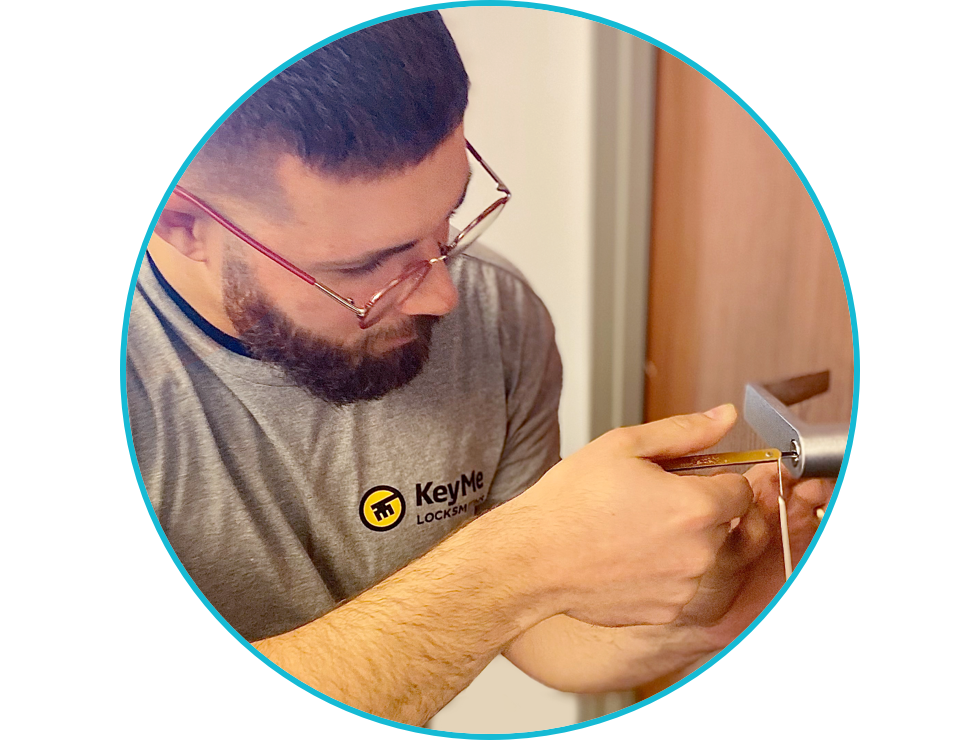
1. Moving Into a New Home Should Trigger a Key Review
When you buy or move into a home, you may know who gave you the keys.
You may not know who has had copies in the past.
Possible previous key holders can include:
- Former owners or tenants
- Family members
- Contractors
- House cleaners
- Property managers
- Real estate professionals
- Neighbors
- Other service providers
That does not mean an old key is automatically a security threat.
It means you may not have a complete history of the key.
If the existing hardware is in good condition, rekeying can change which key operates a compatible lock without necessarily replacing the entire lock.
For a more detailed new-home decision process, see How Lock Rekeying Works for New Homeowners.
2. Rekeying and Replacing a Lock Are Not the Same Thing
These terms are often used interchangeably, but they solve different problems.
Rekeying
Rekeying changes the lock so the old key no longer operates it.
It may make sense when:
- Hardware still works properly
- You want old keys to stop working
- Occupancy has changed
- A key was lost
- Key control is uncertain
Replacing
Replacement removes the existing lock hardware and installs another compatible lock.
It may make sense when:
- Hardware is damaged
- The lock repeatedly fails
- The lock no longer fits your needs
- You want different functionality
- The existing hardware is worn or outdated
For the full comparison, see Rekeying vs. Replacing Your Locks.
3. The Door Matters as Much as the Lock
A high-quality lock cannot solve every problem with a door.
The complete opening includes:
- Door
- Frame
- Strike
- Hinges
- Deadbolt
- Latch
- Fasteners
- Alignment
The Builders Hardware Manufacturers Association evaluates locks under defined performance standards, but real-world operation still depends on the surrounding opening.
For example, BHMA's ANSI/BHMA A156.2-2022 standard covers bored and preassembled locks and evaluates areas including operation, durability, strength, and other performance requirements.
Even a well-rated lock can perform poorly if the deadbolt regularly binds against a misaligned strike.
Watch for Alignment Problems
Signs can include:
- Needing to lift or pull the door while locking
- Deadbolt difficult to extend when door is closed
- Door rubbing the frame
- Latch missing the strike
- Lock working normally while the door is open but poorly when closed
If the lock works easily while the door is open but becomes difficult after closing, the problem may involve the door or strike rather than the lock cylinder itself.
4. A Lock That Gets Harder to Use Is Giving You Information
Locks often show symptoms before complete failure.
Do not ignore:
- Key becoming difficult to turn
- Latch sticking
- Deadbolt binding
- Loose lever or knob
- Key requiring unusual movement
- Lock working inconsistently
- Visible damage
Those symptoms do not automatically mean the lock needs replacement.
Possible causes include:
- Worn key
- Worn lock components
- Door movement
- Strike misalignment
- Loose hardware
- Dirt or contamination
- Damage
The important point is to investigate repeated changes in operation rather than waiting until the door cannot be opened or secured.
5. Smart Locks Still Need Good Mechanical Hardware
Smart locks add features such as:
- Keypads
- Apps
- Fingerprint access
- Remote management
- Temporary codes
- Apple Home Key
- Matter
- Automatic locking
But the mechanical part still has to work.
A smart lock cannot fix:
- A binding deadbolt
- A sagging door
- A damaged strike
- Poor installation
- A weak or deteriorated frame
Smart locks also need a backup-access strategy.
Depending on the model, backup can involve:
- Physical key
- Emergency battery contacts
- USB power
- Another authorized entrance
- Low-battery warnings
Before choosing one, compare the specific model, not just the brand.
For a broader comparison, see Best Smart Lock Brands.
Find a KeyMe Kiosk Near You
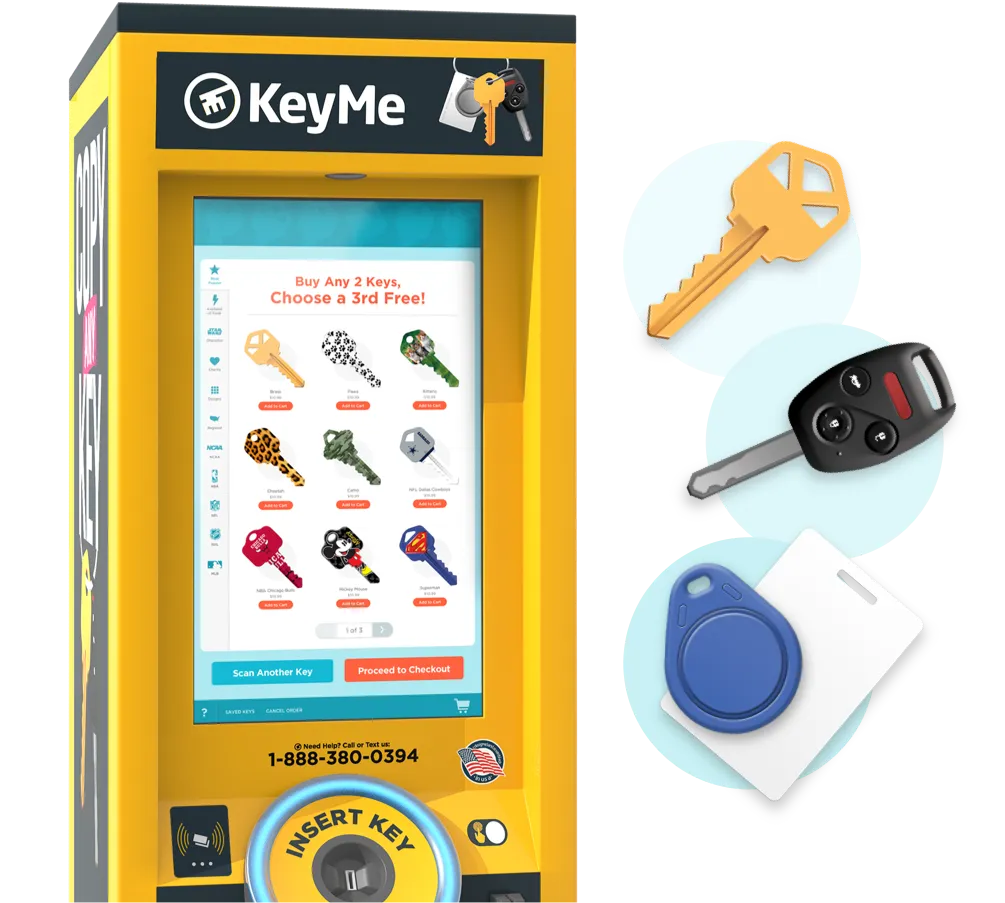
Need a spare key fast? Find a KeyMe kiosk near you to copy many house, office, and eligible car keys in just minutes.
6. A Duplicate Is Only as Good as the Source Key
When possible, create duplicates from a key that is in good condition.
Keys wear over time.
A heavily worn key may have:
- Rounded cuts
- Damaged edges
- Bent blade
- Distorted shoulder
- Other physical wear
Duplicating that wear can reduce the quality of the copy.
For supported keys, KeyMe provides key duplication.
For a deeper explanation, see How to Get the Best Key Copy From an Original Key.
7. Make a Spare Before You Lose the Last Working Key
A spare key is most useful when it already exists before an emergency.
If you have only one working house key, losing it changes the situation from:
"I need another copy"
to:
"I no longer have a working key."
Those are different problems.
Maintaining an authorized spare can be useful for:
- Household members
- Trusted backup access
- Replacing a worn primary key
- Preventing a single lost key from becoming an immediate lockout
Avoid storing spare keys in obvious exterior locations where unauthorized people could easily find them.
The goal is not simply to have another key.
It is to have another key under controlled access.
8. A Lost Key and a Broken Key Create Different Decisions
If a key breaks, the main issue may be mechanical.
If a key is lost, there can also be an access-control question:
Could someone else potentially use it?
That depends on factors such as:
- Where it was lost
- Whether it is labeled
- Whether it was lost with identifying information
- Which locks it opens
- Whether another key remains
Losing a key does not automatically mean every lock must be replaced.
Rekeying may be appropriate if the existing hardware is compatible and you want the missing key to stop working.
For the dedicated decision process, see What to Do After Losing House Keys.
9. Not Every Lock Problem Means You Need a New Lock
A homeowner may assume:
"The lock is acting up, so I need to replace it."
Not always.
Depending on the problem, the better response may involve:
- Door adjustment
- Strike alignment
- Repair
- Rekeying
- Key replacement
- Tightening compatible hardware
- Replacing only a failed component
- Full lock replacement
Replacement becomes more relevant when:
- Hardware is physically damaged
- Lock repeatedly fails
- Parts are worn beyond service
- Existing hardware no longer meets the home's needs
- You want a different type of locking system
For supported hardware, KeyMe provides lock repair and installation and lock replacement.
10. Plan for a Lockout Before One Happens
Most homeowners think about emergency entry only when they are already locked out.
A better approach is to decide in advance:
- Who has an authorized spare?
- Is another entrance available?
- Does a smart lock have a backup method?
- Are exterior keys stored securely?
- Can all household members reach necessary access information?
- Who would you contact if the lock itself fails?
Avoid relying on improvised entry methods that could damage the door or lock.
If you are locked out, a professional residential locksmith can evaluate the situation and determine an appropriate access method.
If you need urgent assistance, KeyMe also provides emergency locksmith services.
Bonus: Lock Grade Is Useful, but It Is Not the Whole Story
Homeowners may see terms such as:
- Grade 1
- Grade 2
- Grade 3
- BHMA AAA
Those labels can be useful, but they need context.
Grade 1, Grade 2, and Grade 3 refer to performance classifications within applicable ANSI/BHMA standards.
BHMA also uses a separate residential rating system that can produce ratings such as AAA.
Do not assume:
- Every Grade 1 lock is identical
- AAA means the same thing as Grade 1
- A higher grade fixes a weak door
- Smart features indicate mechanical strength
For the full explanation, see Grade 1 vs. Grade 2 vs. Grade 3 Locks: What the Ratings Mean.
BHMA maintains a Certified Products Directory for products certified to applicable standards.
What Locksmiths Want Homeowners to Check Once a Year
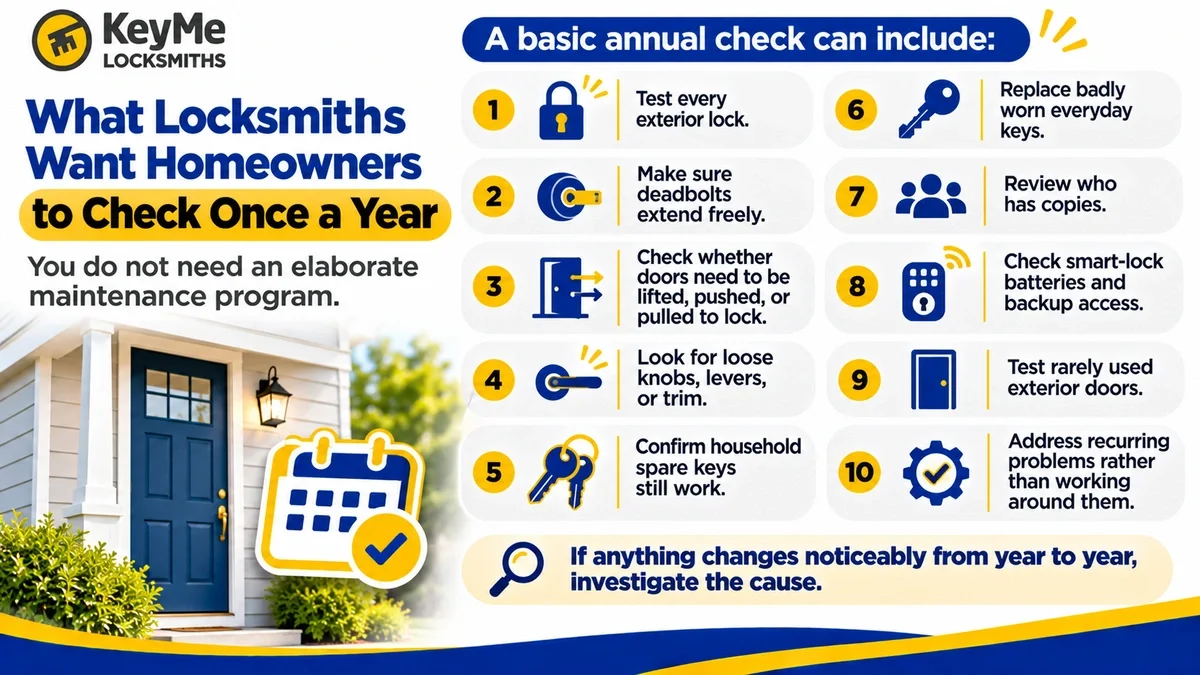
You do not need an elaborate maintenance program.
A basic annual check can include:
- Test every exterior lock.
- Make sure deadbolts extend freely.
- Check whether doors need to be lifted, pushed, or pulled to lock.
- Look for loose knobs, levers, or trim.
- Confirm household spare keys still work.
- Replace badly worn everyday keys.
- Review who has copies.
- Check smart-lock batteries and backup access.
- Test rarely used exterior doors.
- Address recurring problems rather than working around them.
If anything changes noticeably from year to year, investigate the cause.
Copy Your Key from Anywhere - Right from Your Phone
Skip the kiosk and copy your key from home. Upload a clear photo of an eligible house or car key, and KeyMe will create a precise duplicate and mail it directly to your door.
10 Things Locksmiths Wish Homeowners Knew: The Bottom Line
The biggest lesson is that locks work best when homeowners think about them as part of an access system, not isolated pieces of hardware.
Know:
- Who has keys
- Which keys still work
- Whether the door is aligned
- Whether the hardware is wearing out
- When rekeying makes sense
- When replacement makes sense
- How your smart lock handles failure
- Where your spare access comes from
Good lock decisions are usually less about reacting to a crisis and more about noticing small issues before they become bigger ones.
References
- Builders Hardware Manufacturers Association. ANSI/BHMA A156.2-2022 Locks and Latches. Current standard summary for bored and preassembled locks, including operation, durability, strength, security, dimensional, and material requirements.
https://buildershardware.com/ANSI-BHMA-Standards/Hardware-Highlights/A1562-2022-Locks-and-Latches - Builders Hardware Manufacturers Association. Certification Program. Information on independent ANSI/BHMA hardware certification and residential hardware ratings.
https://buildershardware.com/Certification-Program - Builders Hardware Manufacturers Association. Certified Products Directory. Directory for products certified to applicable ANSI/BHMA standards.
https://buildershardware.com/Certification-Program/Certified-Products-Directory - KeyMe Locksmiths. How Lock Rekeying Works for New Homeowners. Guidance on reviewing and changing key access after moving into a home.
https://key.me/article/how-lock-rekeying-works-for-new-homeowners - KeyMe Locksmiths. Rekeying vs. Replacing Your Locks. Guidance on deciding whether to change the keying or replace existing hardware.
https://key.me/article/rekeying-vs-replacing-your-locks - KeyMe Locksmiths. What to Do After Losing House Keys. Guidance on evaluating access and security after a house key is lost.
https://key.me/article/what-to-do-after-losing-house-keys - KeyMe Locksmiths. How to Get the Best Key Copy From an Original Key. Guidance on source-key condition and key duplication quality.
https://key.me/article/how-to-get-the-best-key-copy-from-an-original-key - KeyMe Locksmiths. Best Smart Lock Brands. Objective comparison of smart-lock brands, connectivity, access methods, hardware design, and certifications.
https://key.me/article/best-smart-lock-brands - KeyMe Locksmiths. Grade 1 vs. Grade 2 vs. Grade 3 Locks: What the Ratings Mean. Explanation of ANSI/BHMA lock grades and residential hardware ratings.
https://key.me/article/grade-1-vs-grade-2-vs-grade-3-locks